Core thickness is the spec that changes everything
You can read a dozen paddle reviews and still not know why two paddles with the same face material feel completely different. The answer is usually hiding in one number: core thickness. That 13mm or 16mm measurement decides how long the ball sits on the face, how much pop you get for free, and how badly an off-center hit punishes you.
I've played both, on indoor gym floors and outdoor courts where the wind does half the work for you. The difference is real, and it shows up most in the last two feet of the court.
What a thicker or thinner core actually does
A thin core compresses fast. The ball leaves quickly, which is great when you're trying to win a hands battle at the kitchen line. A thick core flexes more, holds the ball a fraction longer, and gives you a bigger sweet spot. That extra dwell time is why so many players describe 16mm paddles as forgiving.
Neither is better. They just reward different habits. If your game is built on quick counters and you rarely take a full swing, thin feels like cheating. If you'd rather shape your third shot and absorb pace on defense, thick does more of the work for you.
13mm: built for fast hands
The VELOZ Ellipse 13mm is the clearest example of what a thin core is for. It swings light, resets quickly, and lets you flick a winner from a position where most paddles are still loading up. I keep one in the bag for doubles nights when the net play gets silly.
Trade-offs? Mishits sting. You'll feel the vibration in your palm on a toe hit, and blocking a hard drive takes more deliberate technique. Players who came from tennis often love it immediately because it matches the response they're used to.
16mm: control, drives, and forgiveness
Move up to a thick core and the whole character changes. The TMPR Nimbus 16mm Thermoformed is a good place to start if you want that plush, controlled feel without losing power on your serve. The ball sinks in, then comes off predictably.
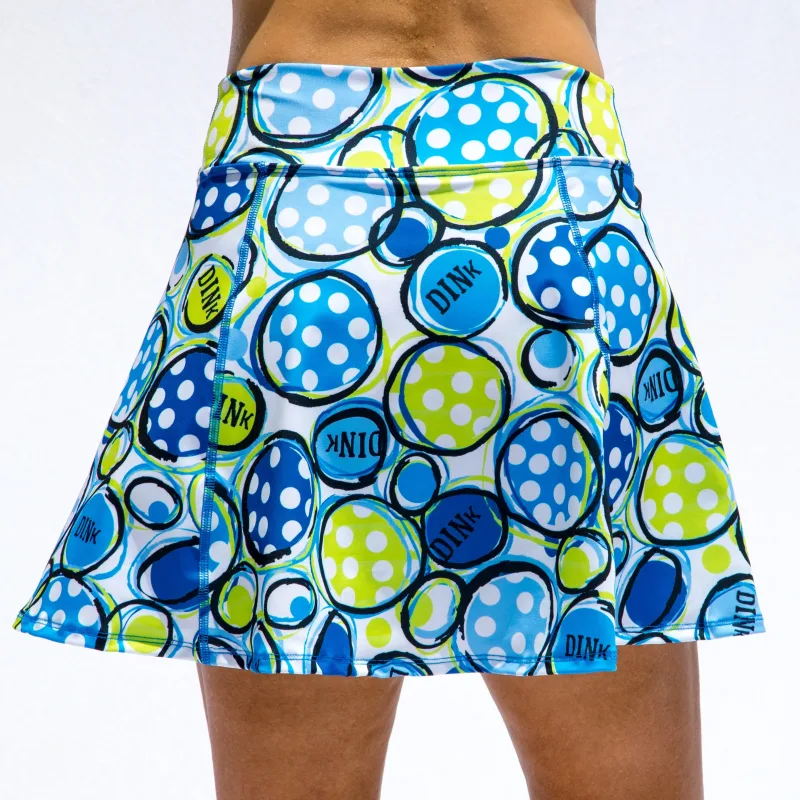
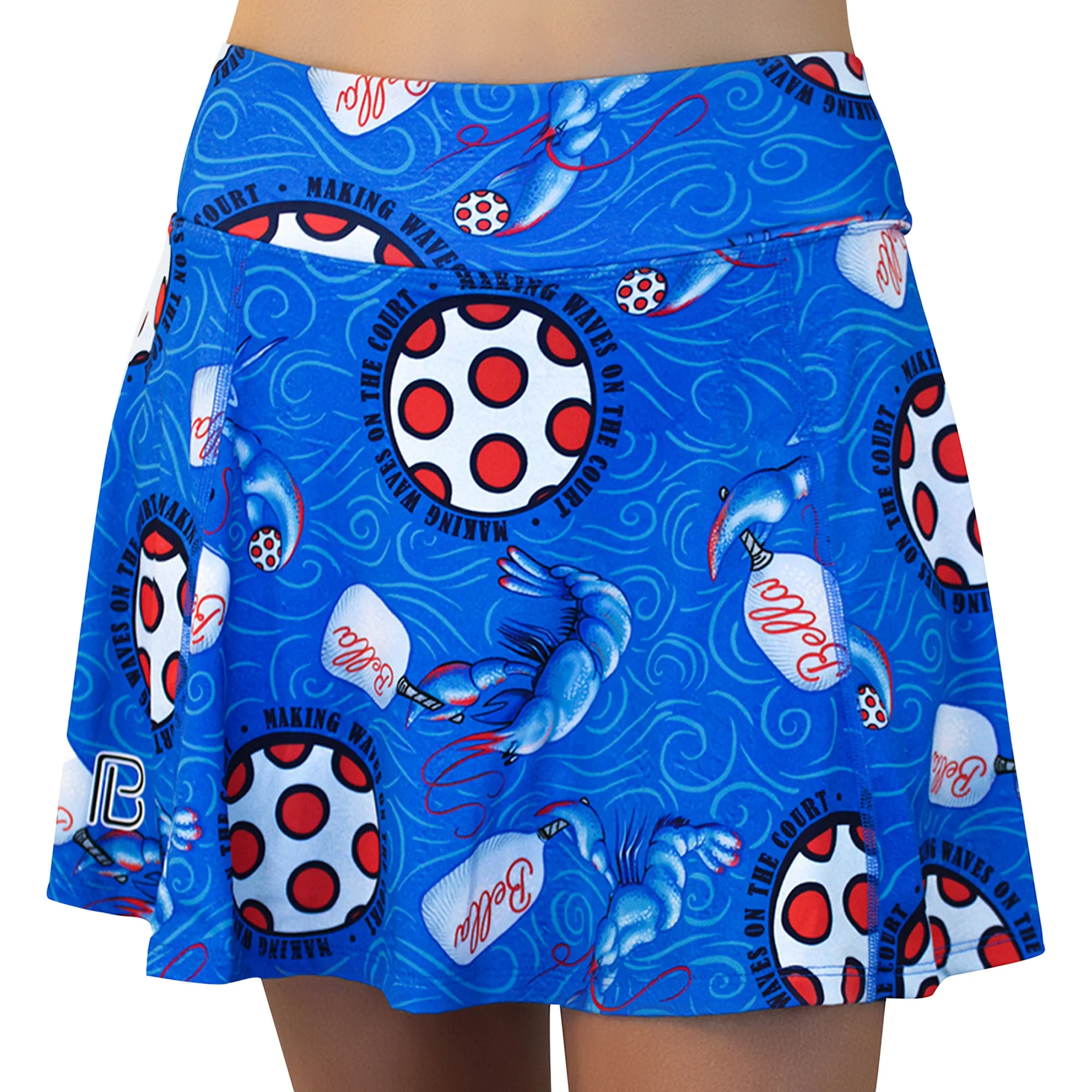
Elongated shapes pair naturally with a thick core. Something like the Gearbox PRO Ultimate Elongated (16mm) gives you extra reach on top of the softer response, which matters on those wide returns you're stretching for at the baseline. For a deeper look at how build type interacts with thickness, read more about the Pickleball Bella Dink 1 A-Line Skort and how players who grind out long rallies tend to choose their gear.
Thermoformed vs standard construction
Thermoforming means the paddle's edge is bonded under heat and pressure, creating a sealed perimeter that stiffens the whole face. The result is more power without adding weight, plus better consistency across the hitting surface. The TMPR Ascend LX 16mm Luxe Core shows what that looks like in a control-first package: soft feel, but a face that doesn't flex unpredictably on hard contact.
Standard construction paddles are generally lighter on the wallet and easier to manufacture with consistent specs. They're not worse. They just behave differently, and if you've been playing thermoformed for a year, going back feels like driving with the parking brake half on.
Match thickness to how you actually play
- Fast hands, doubles net battles: 13mm. Quicker through the air, crisper on counters.
- Third-shot drops, patient rallies: 16mm. More dwell time, friendlier on mishits.
- Serving and driving: 16mm thermoformed usually gives the best mix of power and control.
- Beginners: start thick. The bigger sweet spot hides a lot of early mistakes.
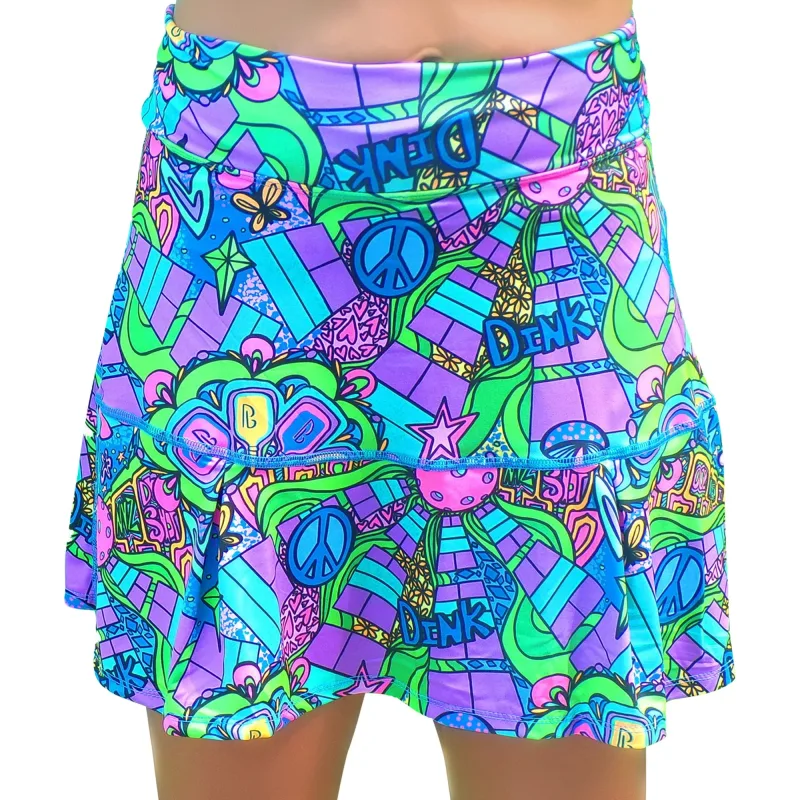
One more thing people forget: a paddle change often means a footwear change, because you're moving differently. Court shoes with real lateral support make more difference than most players expect. Pairing a new paddle with the right setup is worth the time — the Pickleball Bella Groovy Drop Pleat Skort is a good example of gear chosen for how you actually move on court rather than how it looks in a photo.
If you play outdoors in the afternoon, sunglasses stop being optional around the third game. The Pickleball Bella Open Play A-Line Skort pairs well with lighter eyewear so you're not fighting glare on high lobs.
A quick way to test before you commit
Borrow a friend's paddle for one full session. Not three rallies — a whole game. Notice how your arm feels after twenty minutes of dinking. If your forearm is tired and your drops keep floating long, you're probably on a core that's too thin for your swing. If your counters feel sluggish and you can't finish points at the net, try thinner.
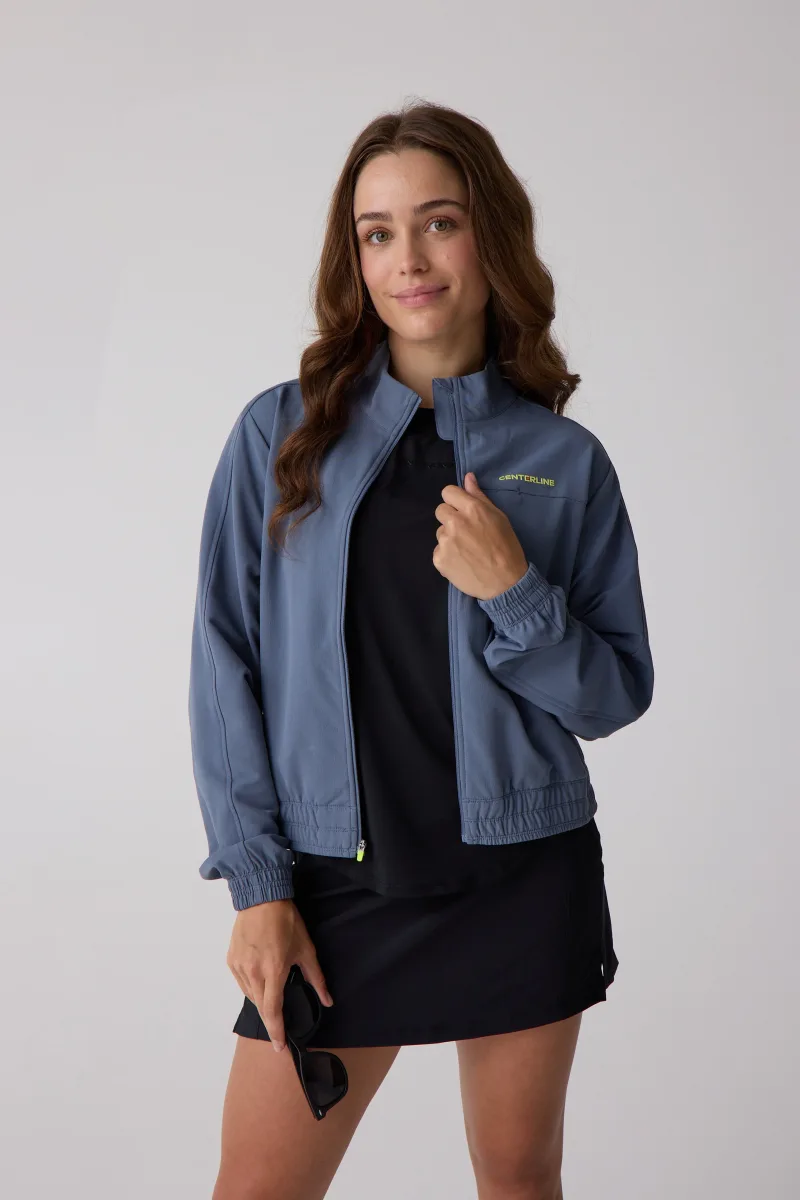
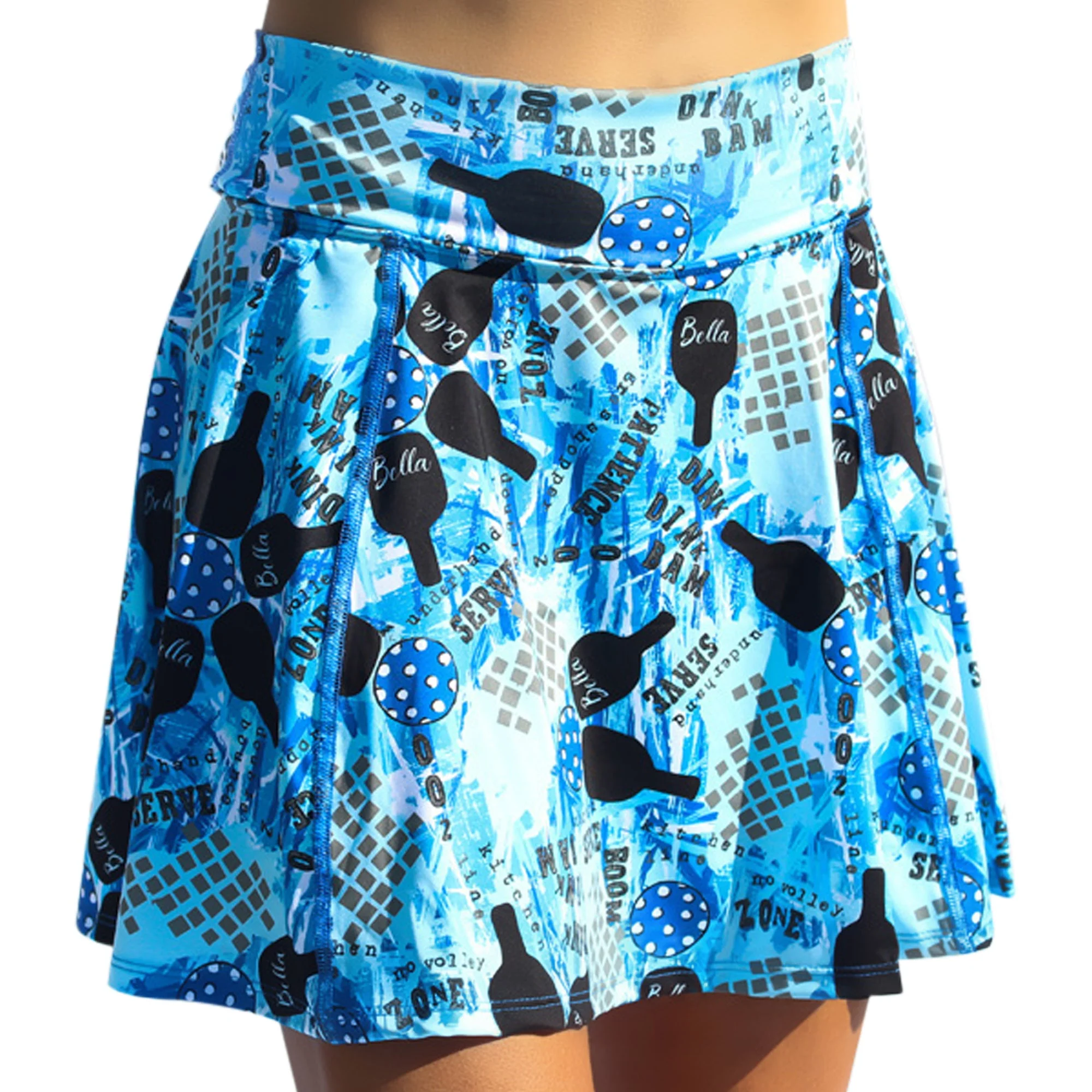
Most players I know end up owning both. A 13mm for tournament doubles, a 16mm for practice and singles. Grab the Pickleball Bella Graffiti 2 A-Line Skort or the Centerline Women's Courtside Track Jacket to round out the bag, then spend a month with each paddle before you decide which one wins the starting spot.